“How was school?” “Fine.” How to get a real answer.
One-word answers aren’t a wall. They’re a door that needs a different key.
Key takeaways
- “Fine” usually means tired, not shut out.
- The car ride and bedtime beat the front door.
- Specific questions get specific answers.
- Listening without fixing keeps the door open.
You ask. They shrug. “Fine.” The door to their room clicks shut. Most parents read that as a wall. It usually isn’t. It’s a tired kid with nothing left to give at 3:30.
Why kids say “fine”
A school day is six hours of being on. Your child held it together in class, at lunch, on the bus. By the time they see you, their tank is empty.
“Fine” is the cheapest answer they have. It’s not about you.
The kids who say “fine” the most are often the ones with the most to say.
Timing matters more than the question
The front door is the worst moment to ask. Give it an hour. Snack first. Talk later.
Three good windows
- The car, where nobody has to make eye contact
- Cooking together, with hands busy
- Bedtime, when the lights are low
Try this tonight: skip the question at pickup. Ask one specific thing at dinner instead.
Five questions that work
- What made you laugh today?
- Who did you sit with at lunch?
- What was the hardest part of today?
- Did anyone surprise you?
- What do you wish you’d said?
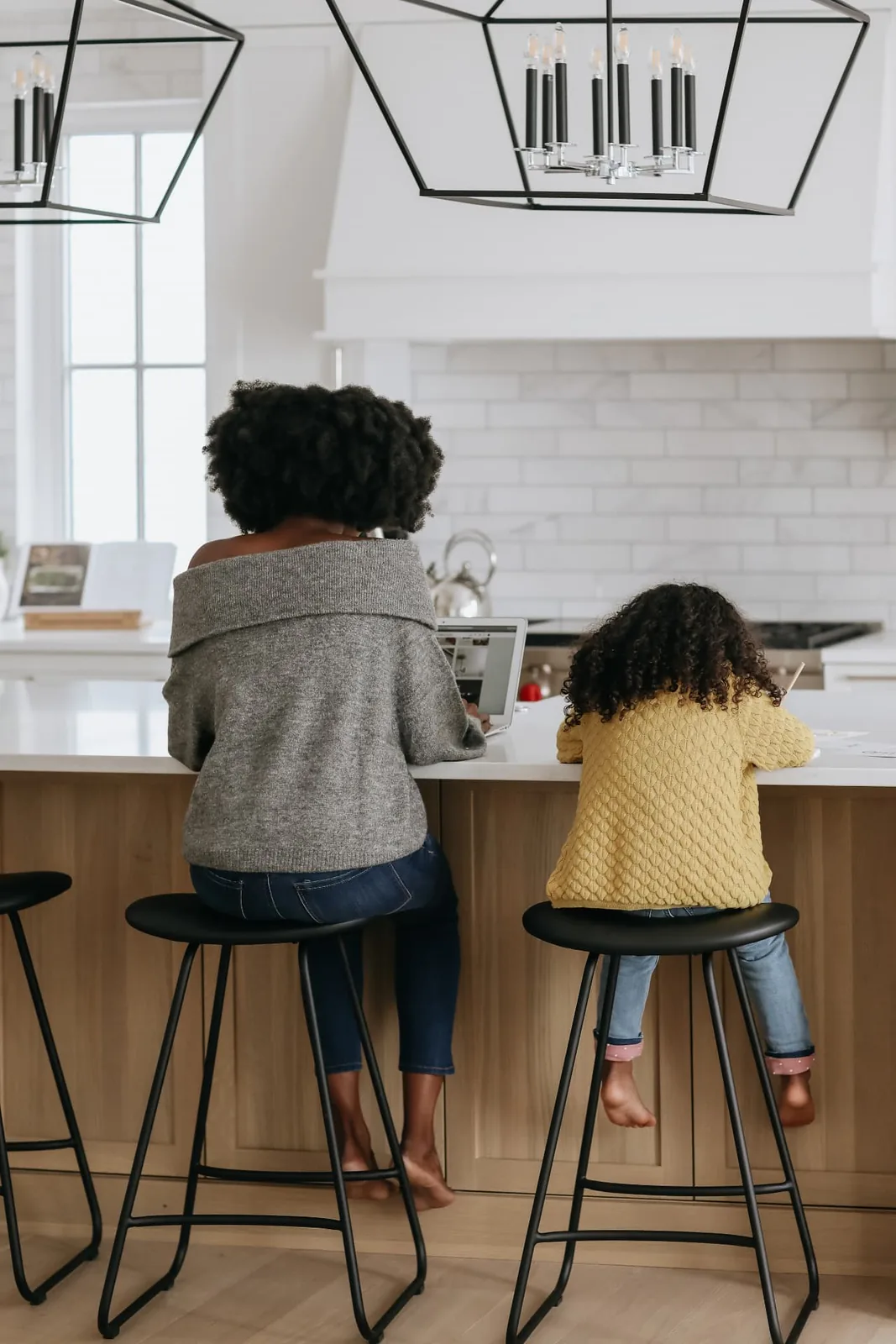
Side-by-side moments make talking easier.
What to do with the answer
Listen. Don’t fix. When they finish, say one thing back: “That sounds hard.” Then wait. In our Control4™ framework, what you say is one of the four things you control.
Questions parents ask
What if my child still won’t talk?
Keep the routine. Ask one question, then let silence do its work. Most kids talk when they don’t feel pressed.
Does this work with teens?
Yes. Teens want even less pressure. Side-by-side moments, like driving or cooking, work best.
How long until it changes?
Every child is different. Keep it simple and steady, and give it a few weeks.
Carissa Hetrick
Co-Founder, Love4Life Academy™
Carissa teaches the Parent Program and leads the Academy’s growth. She is a mom of three and an ICF Professional Certified Coach (PCC).
Your child gets a program. So do you.
Practice this together, every week.